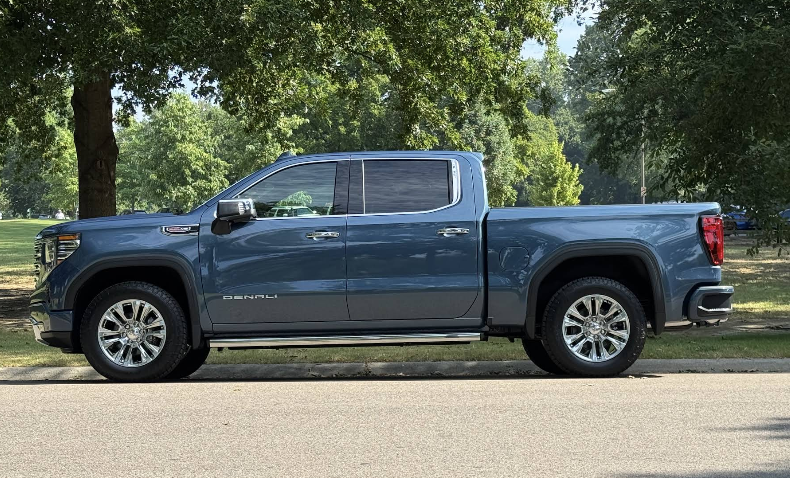
If you have just purchased a new vehicle, you may be wondering whether to apply paint protection film immediately or wait. In many cases, the best time to consider PPF is early in ownership, before the areas most exposed to the road have accumulated chips and wear. But the right timing depends on the paint’s condition and the work needed before installation.
Why early installation can help
Paint protection film is designed to act as a protective layer between vulnerable painted surfaces and certain minor road hazards. Once stone chips appear in the clear coat or paint, installing film will not make them disappear. That makes early planning worthwhile for owners who expect regular highway use.
Around Memphis, daily commutes and trips on heavily traveled roads can expose the front bumper, leading hood surfaces, and other forward-facing panels to grit from surrounding traffic.
Do you need to wait after buying a new car?
Not necessarily, but a professional inspection comes first. A new vehicle may have transport residue, dealer-applied products, swirl marks, or other defects that need attention before the film is applied. Some vehicles may have recently repainted panels that require a different approach; ask the installer and refinisher about appropriate curing.
Film should be installed over a properly prepared surface. Preparation often matters as much as the date on your calendar.
What to check before PPF installation
- Vehicle condition: are any chips, scratches, or contaminants already visible?
- Coverage: which specific panels does the installer offer to protect?
- Surface prep: is cleaning or correction needed first?
- Warranty and care: when can you wash the car and how should you maintain the film?
- Scheduling: can the work be completed before a planned road trip?
What if you already drove the car for several months?
It is not automatically too late. PPF can still be worth discussing if the painted areas are in suitable condition. The installer can identify paint imperfections, explain what film will and will not conceal, and advise whether paint correction is appropriate.
Remember that film covers only the panels selected for installation. Enfield’s Detail offers selected-area PPF, not full-vehicle wraps.
Should PPF go on before ceramic coating?
If you are considering both treatments, ask the installer about the correct preparation and sequence for the specific products. Ceramic coatings and PPF serve different functions. PPF adds a physical barrier where applied; ceramic coating may assist with cleaning and hydrophobic behavior. Existing coatings can affect film installation preparation, so tell the shop what has already been applied.
What about a long trip coming up?
The best time to discuss coverage is before the trip, with enough room for vehicle inspection, preparation, installation, and the manufacturer’s recommended curing period. Avoid assuming the car can be washed or exposed to every cleaning method immediately after installation.
Frequently asked questions
Can I install PPF on a used vehicle?
Often yes, depending on the condition of the paint and the selected area. A professional inspection can determine whether preparation is needed.
Can PPF fix existing paint damage?
No. The paint underneath remains visible, so pre-existing chips or scratches should be discussed before installation.
Is a full-body wrap necessary?
No. Many owners focus on vulnerable panels. Enfield’s Detail provides selected-area protection rather than full-vehicle PPF.
For vehicle-specific advice, discuss your year, make, model, paint condition, and driving habits with Enfield’s Detail in Memphis. Request a custom quote for available protection options, or explore the shop’s paint protection film services.